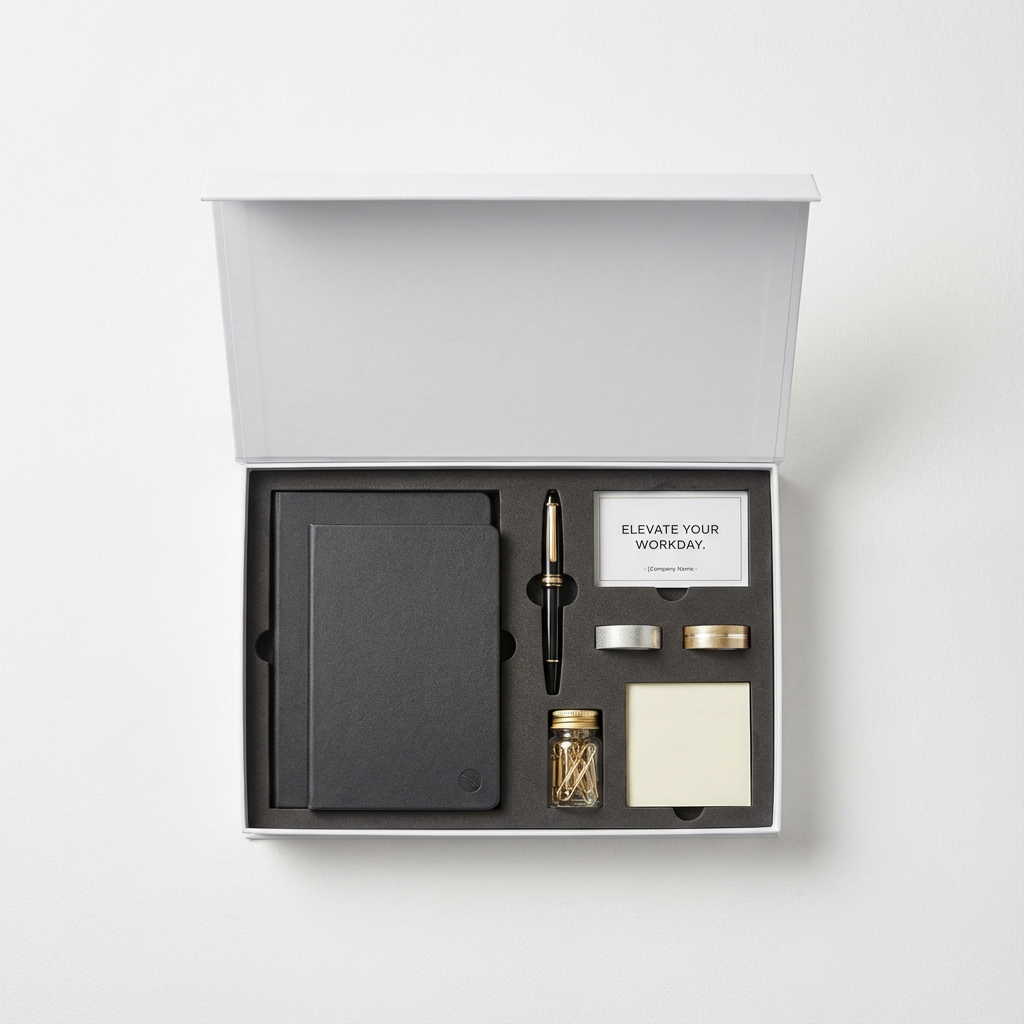
First impressions matter profoundly in corporate gifting. Premium packaging creates anticipation, communicates value, and demonstrates attention to detail before recipients even see the actual gift. The unboxing experience significantly influences how your gift is perceived and remembered.
The Psychology of Unboxing
Opening a beautifully packaged gift triggers positive emotional responses. Quality packaging signals that thought and care went into the gift selection process. This emotional connection strengthens the relationship between giver and recipient.
The unboxing experience creates memorable moments that extend beyond the gift itself. Recipients often share premium unboxing experiences with colleagues, amplifying your brand exposure. This organic promotion adds value beyond the direct recipient relationship.
Premium packaging communicates respect for the recipient. It shows that you value the relationship enough to invest in presentation quality. This message resonates particularly strongly in business contexts where professionalism and attention to detail matter.
Elements of Premium Packaging
Material quality forms the foundation of premium packaging. Rigid boxes with magnetic closures, quality cardstock, and durable construction convey luxury and permanence. These materials protect contents while creating positive tactile experiences.
Finishing techniques elevate packaging from functional to exceptional. Embossing, debossing, foil stamping, and spot UV coating add visual and tactile interest. These details demonstrate craftsmanship and investment in quality.
Interior presentation matters as much as exterior appearance. Custom inserts, protective tissue paper, and thoughtful product arrangement create organized, professional presentations. Well-designed interiors prevent damage while showcasing contents effectively.
Brand Integration
Packaging provides excellent branding opportunities without overwhelming the gift. Subtle logo placement through embossing or foil stamping maintains elegance while ensuring brand visibility. The packaging itself becomes a brand ambassador.
Color schemes should align with your brand identity while maintaining sophistication. Premium packaging typically uses restrained color palettes that convey professionalism. Bold colors can work when executed with high-quality materials and finishing.
Consistency across your corporate gifting program strengthens brand recognition. Using similar packaging styles for different gift categories creates cohesive brand experiences. Recipients begin associating quality packaging with your organization.
Practical Considerations
Packaging must protect contents during shipping and handling. Premium appearance means nothing if gifts arrive damaged. Quality packaging balances aesthetics with functional protection.
Sustainability increasingly influences packaging decisions. Many organizations seek premium packaging made from recycled or recyclable materials. Modern sustainable packaging can maintain luxury appearance while supporting environmental values.
Storage and reusability add value to premium packaging. Recipients often repurpose quality gift boxes for storage or organization. This extended use keeps your brand visible long after the initial gift.
Cost-Benefit Analysis
Premium packaging represents a relatively small percentage of total gift cost but significantly impacts perception. The incremental investment in quality packaging delivers disproportionate returns in recipient satisfaction and brand impression.
Bulk ordering of custom packaging reduces per-unit costs while maintaining quality. Working with experienced suppliers helps optimize packaging investments. Strategic planning allows premium presentation at reasonable costs.
Implementation Best Practices
Start packaging design early in the gift planning process. Custom packaging requires lead time for design, approval, and production. Last-minute decisions limit options and may compromise quality.
Request physical samples before committing to large orders. Photos cannot fully convey packaging quality, texture, or unboxing experience. Physical samples ensure expectations align with reality.
Consider seasonal variations in packaging design. Special occasions may warrant unique packaging elements while maintaining overall brand consistency. Flexibility in design keeps gifting programs fresh and relevant.