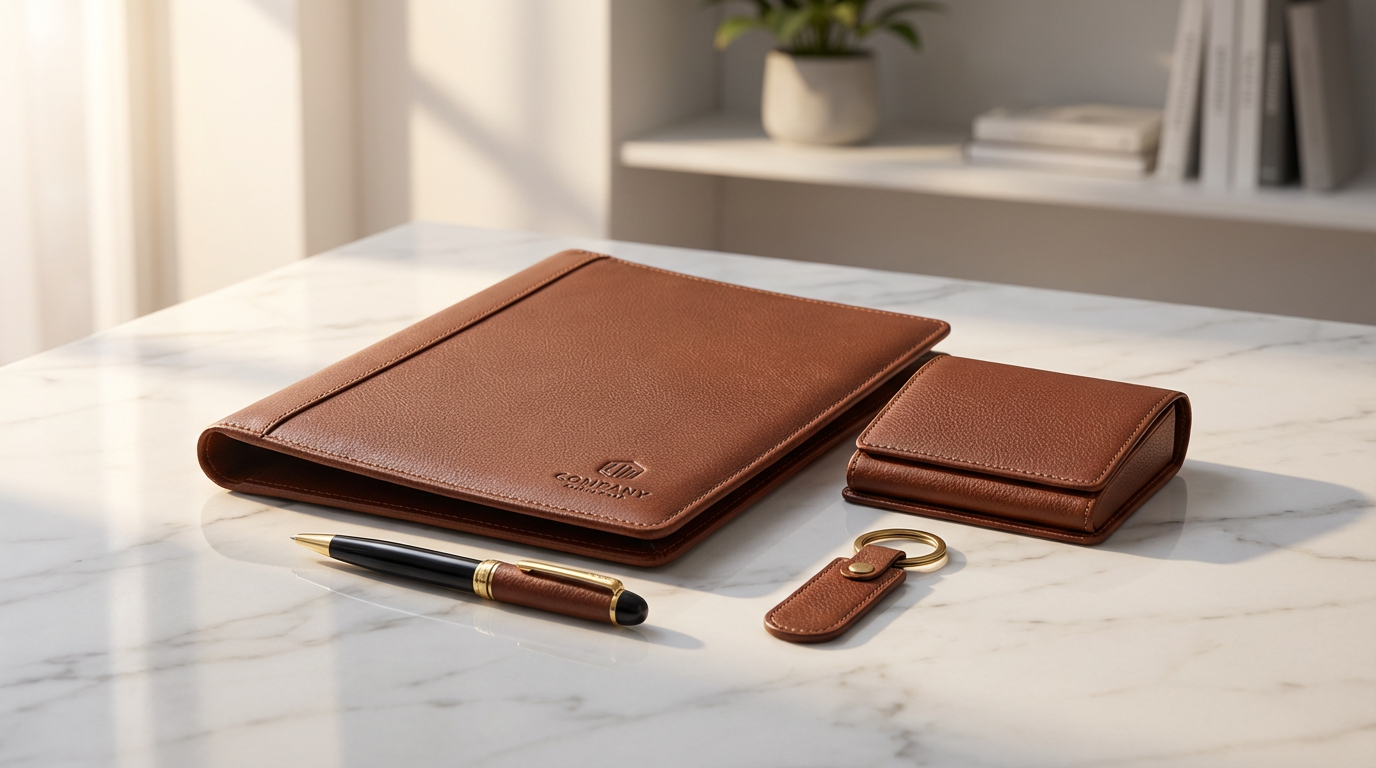
Selecting the right customization technique significantly impacts how your brand appears on corporate gifts. Each method offers unique advantages in terms of appearance, durability, cost, and suitability for different materials. Understanding these differences helps you make informed decisions that align with your brand image and budget.
Embossing and Debossing
Embossing creates raised designs by pressing material from behind, producing elegant three-dimensional effects. This technique works exceptionally well on leather, paper, and some plastics. The raised surface catches light, creating subtle visual interest without requiring ink or color.
Debossing produces the opposite effect, pressing designs into material surfaces to create recessed impressions. This technique conveys sophistication and permanence, particularly on premium materials. Debossed logos maintain clarity over time and resist wear better than surface printing.
Both techniques can be enhanced with foil stamping, adding metallic or colored accents to raised or recessed areas. This combination creates striking visual effects that convey luxury and attention to detail. Gold and silver foils remain popular choices for corporate applications.
Cost considerations favor embossing and debossing for medium to large orders. Setup costs are higher than simple printing, but per-unit costs decrease with volume. These techniques justify their investment through durability and premium appearance.
Laser Engraving
Laser engraving uses focused light beams to permanently mark materials by removing surface layers or causing color changes. This technique produces extremely precise, permanent results that resist fading, scratching, or wear. Laser engraving works on metal, wood, leather, glass, and many plastics.
Precision represents laser engraving's primary advantage. Complex logos, fine text, and detailed designs reproduce accurately at small sizes. This precision makes laser engraving ideal for items like pens, USB drives, and metal accessories where space is limited.
Permanence ensures laser-engraved branding lasts the product's lifetime. Unlike surface treatments that may wear away, laser engraving becomes part of the material itself. This durability makes it excellent for frequently handled items.
Color limitations represent the main constraint. Laser engraving typically produces single-color results in the material's natural contrast color. Some materials allow multiple tones through power variations, but full-color reproduction isn't possible.
Screen Printing
Screen printing transfers ink through mesh screens onto product surfaces, enabling vibrant, opaque color reproduction. This versatile technique works on textiles, plastics, metals, and many other materials. Screen printing handles both simple and complex designs effectively.
Color vibrancy distinguishes screen printing from other techniques. Solid, opaque colors appear bold and eye-catching. Multiple colors can be layered to create complex designs, though each color requires a separate screen and increases costs.
Durability varies by material and ink type. Quality screen printing on appropriate materials withstands washing, handling, and environmental exposure. Proper curing and ink selection ensure longevity comparable to other permanent marking methods.
Cost efficiency makes screen printing attractive for larger orders. Setup costs spread across multiple units, reducing per-piece expenses. Simple designs with few colors optimize cost-effectiveness while maintaining quality.
Digital Printing
Digital printing applies designs directly from digital files without requiring screens or plates. This technology enables full-color reproduction with photographic quality. Digital printing works well for complex, multicolor designs and smaller order quantities.
Setup simplicity represents a key advantage. No screens, plates, or dies are needed, eliminating setup costs and reducing lead times. This makes digital printing economical even for small quantities or one-off customizations.
Color reproduction capabilities allow unlimited colors and gradients. Photographic images, complex logos, and detailed artwork reproduce accurately. This flexibility supports creative designs that other techniques cannot achieve.
Durability depends on the specific printing technology and materials used. Some digital printing methods produce results comparable to screen printing, while others may be less resistant to wear and environmental factors. Material selection and protective coatings influence longevity.
Hot Foil Stamping
Hot foil stamping uses heat and pressure to transfer metallic or pigmented foil onto surfaces. This technique creates luxurious, reflective finishes that convey premium quality. Foil stamping works on paper, leather, some plastics, and textiles.
Visual impact distinguishes foil stamping from other techniques. Metallic finishes catch light and draw attention, creating premium appearances. Gold, silver, and rose gold remain popular, though colored foils offer additional options.
Texture adds another dimension to foil-stamped designs. The transferred foil creates slight surface variation that enhances tactile experience. This subtle texture reinforces the premium nature of the customization.
Application limitations require consideration. Foil stamping works best on relatively flat surfaces with some heat tolerance. Curved or highly textured surfaces may not accept foil consistently. Material testing ensures compatibility before production.
Selection Criteria
Material compatibility should guide technique selection. Some materials work better with specific customization methods. Consulting with experienced suppliers helps match techniques to materials for optimal results.
Design complexity influences appropriate technique choice. Simple logos work well with most methods, while complex, multicolor designs may require digital printing or screen printing. Balancing design ambitions with practical limitations ensures satisfactory results.
Budget constraints affect technique selection, particularly for smaller orders. Understanding setup costs versus per-unit costs helps optimize spending. Sometimes simpler techniques deliver better value than more complex options.
Brand image considerations should align technique selection with desired perception. Laser engraving and embossing convey sophistication and permanence, while vibrant screen printing projects energy and modernity. Choose techniques that reinforce your brand values.
Related Articles
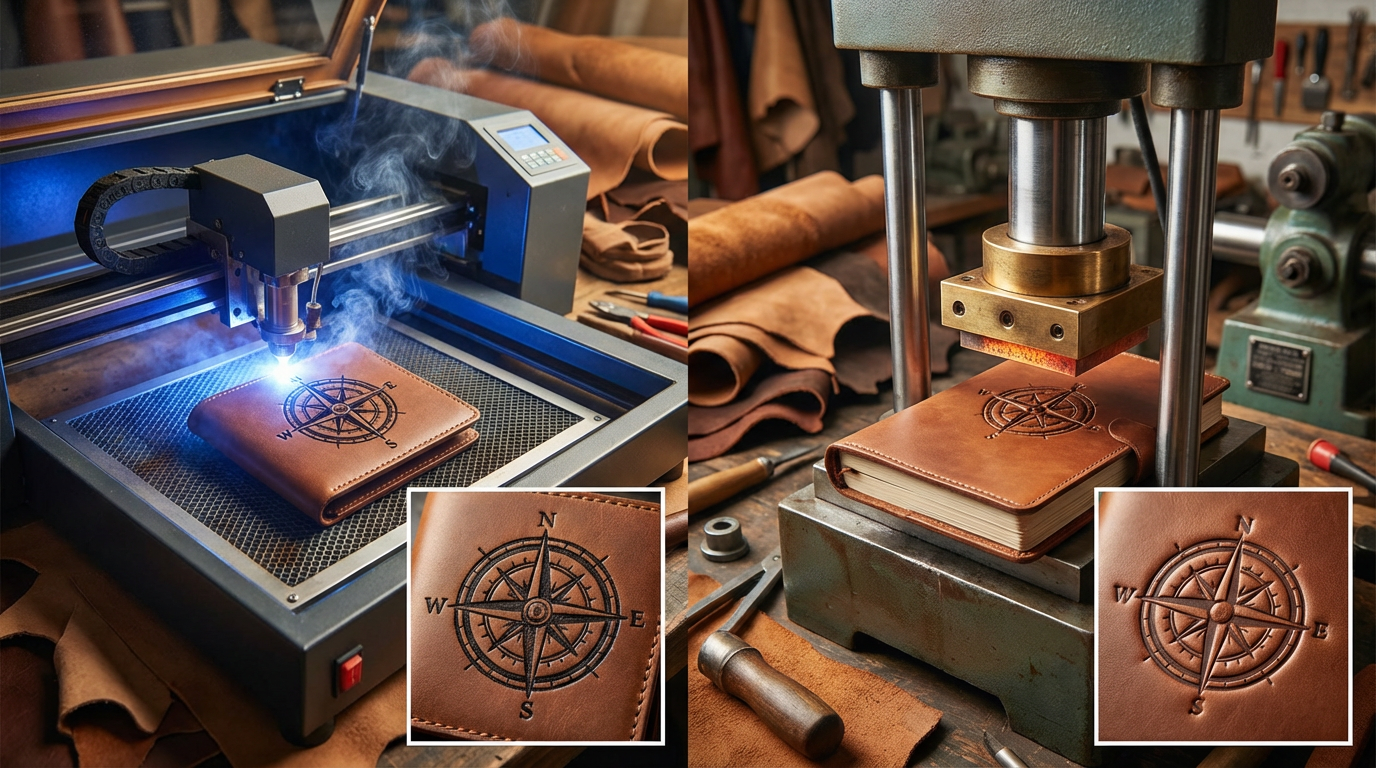
Laser Engraving vs Embossing for Premium Leather Goods
Laser Engraving vs Embossing for Premium Leather Goods
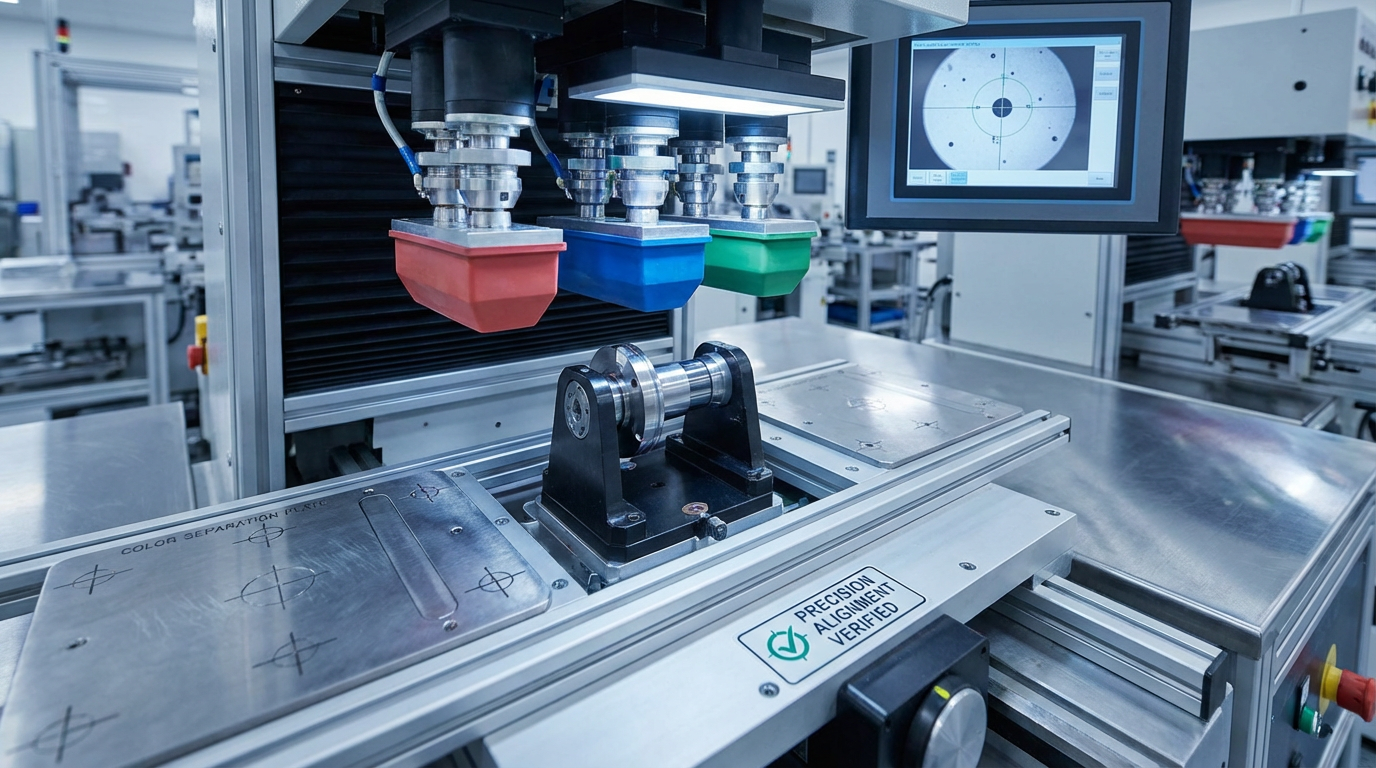
Multi-Color Pad Printing Registration Accuracy
Multi-Color Pad Printing Registration Accuracy
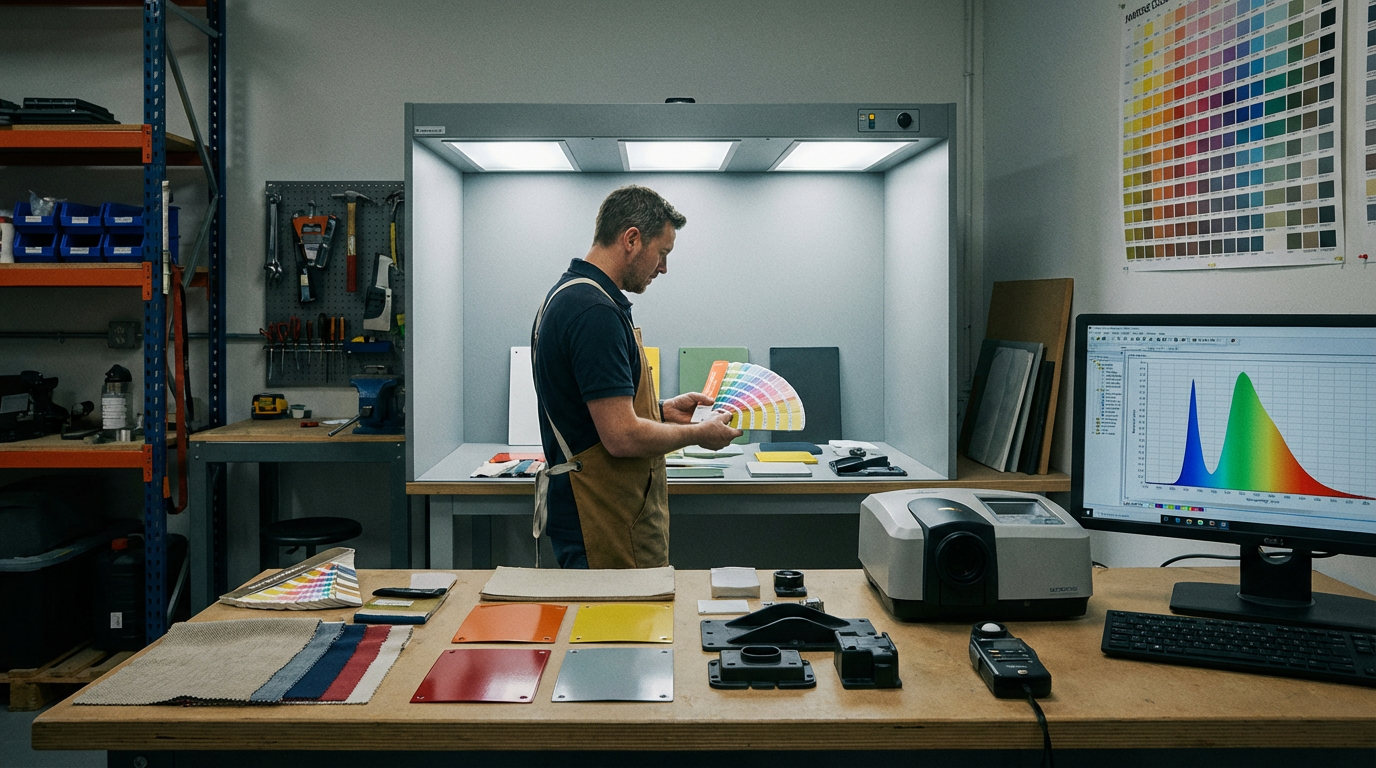
Pantone Color Matching Across Different Materials
Pantone Color Matching Across Different Materials